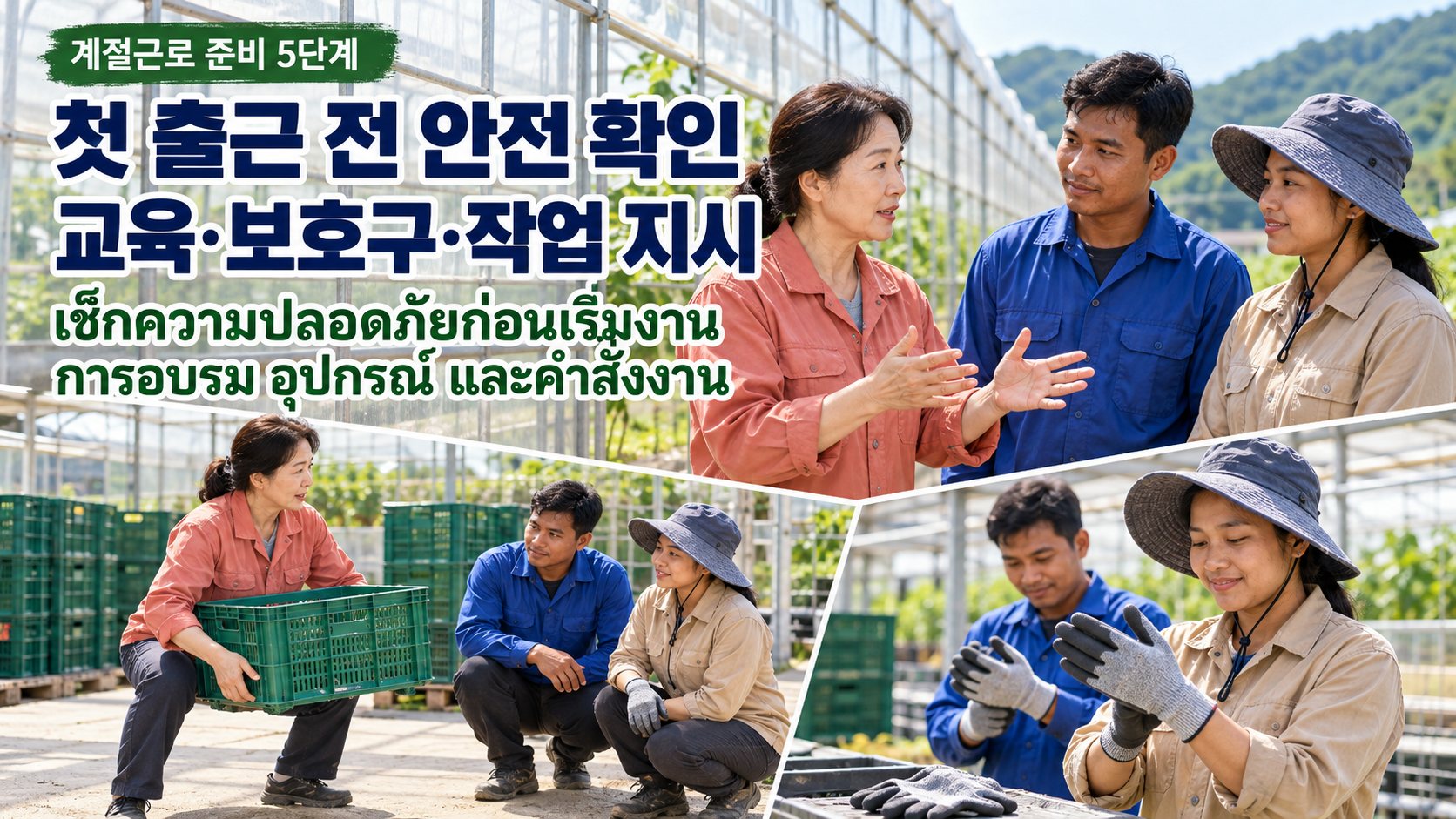
On your first day working at the farm after arriving in Korea, it is more important to listen to where and from whom explanations and check first what to watch out for rather than working quickly. This article is not intended to replace specific farm regulations, but rather a general guideline to check before starting work.
1. Confirm work location and person in charge
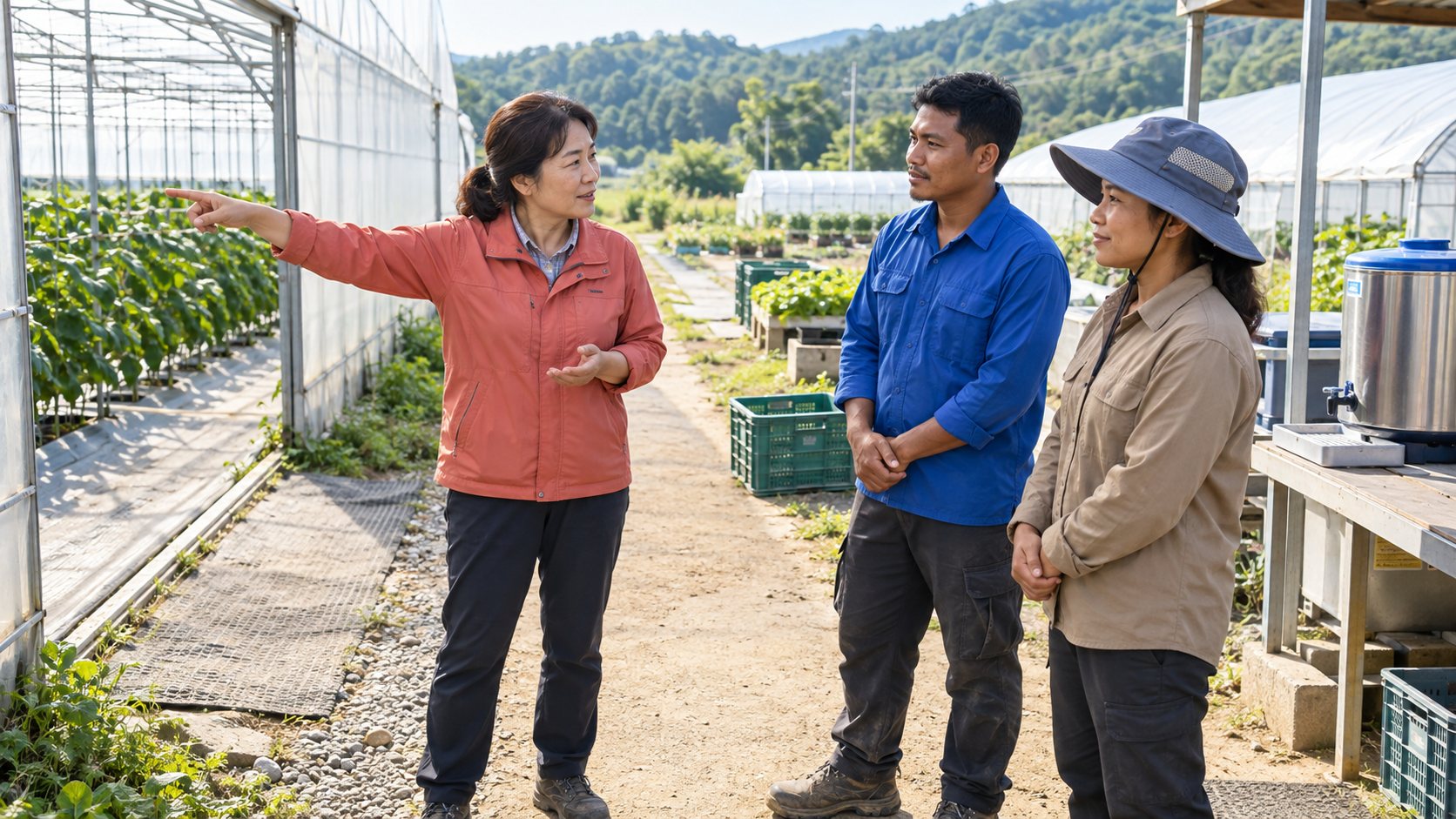
- Double-check the crop fields, agricultural greenhouses, and workshops where you will be working today. Also check the times you have to gather with other workers.
- Find out the name of the person in charge of today's job and how to contact them.
- Check for restrooms, drinking water, places to rest, and places to gather in case of an emergency.
- If you do not understand an explanation, ask again before starting the task.
2. Check protective equipment and work clothes
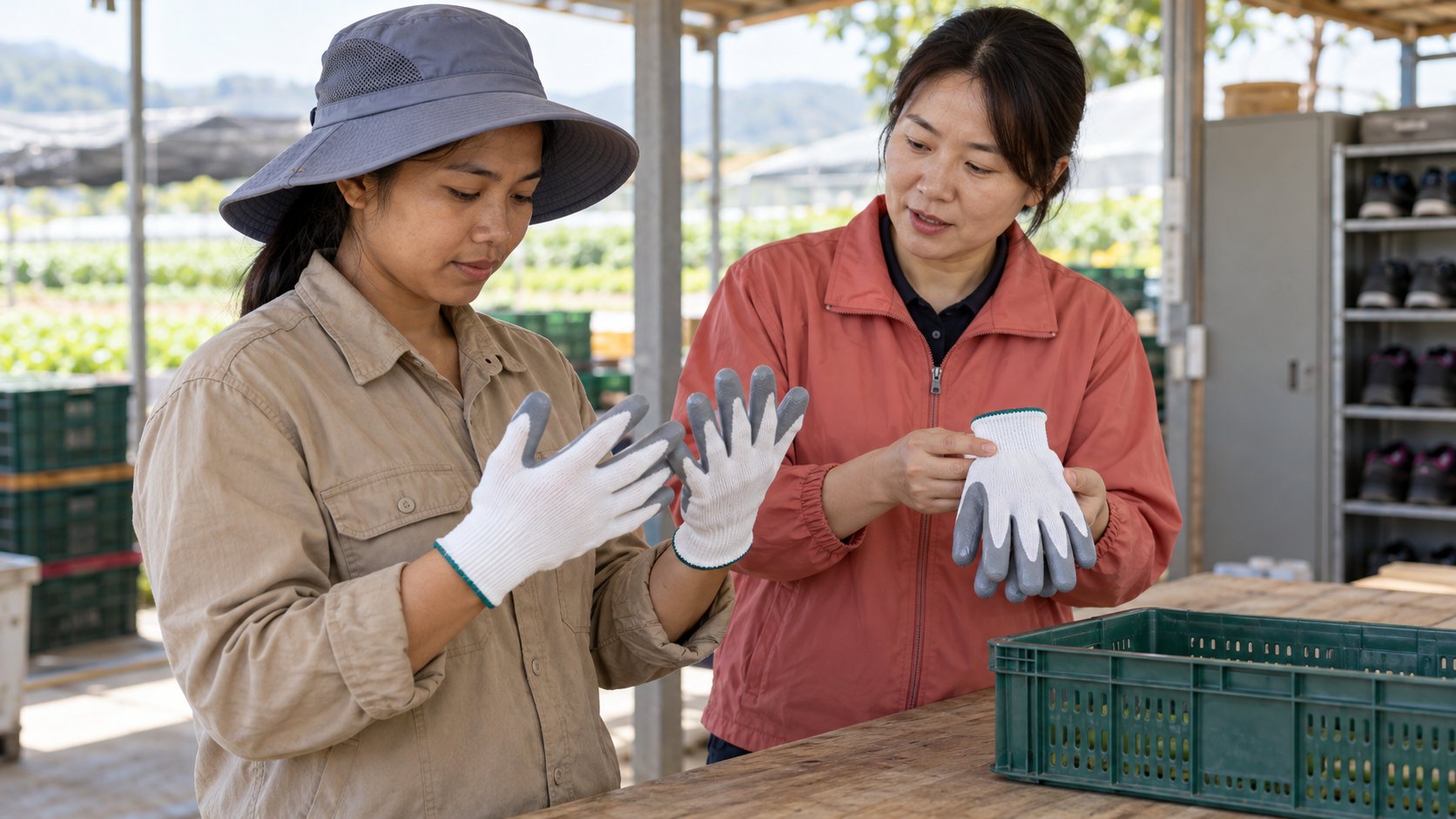
Gloves, non-slip shoes, hats, safety glasses, etc. The protective gear you need depends on the type of work and the hazards. Find out with your representative what equipment you need for today's job and how to properly wear and replace it. If the gloves are too big or the shoes are uncomfortable, ask the operator for the right size gloves or shoes for you.
Hazards vary in each workplace, such as agricultural greenhouses with high temperatures, wet floors, sharp tools, and heavy boxes. If you are in an environment where clothes may get caught in the machine, follow the operator's safety instructions.
3. Do not handle unfamiliar machines or chemicals alone
- Do not operate any machine you see for the first time without training and permission. This includes agricultural machinery, such as tractors, and cutting implements that cut objects.
- Do not touch or mix chemicals, such as pesticides or detergents, whose purpose you do not know, before checking the label and directions for use.
- If there is a risk of falling or hitting, such as working on a ladder, at a high place, or near a vehicle, first ask about safe methods.
- It is okay to request explanations again with pictures, demonstrations, or translations.
4. When you spot danger
If the machine makes strange noises, the floor is dangerous, or you are not feeling well, do not try to solve it on your own. Stop work in a safe place and notify the person in charge immediately. Do not approach dangerous equipment carelessly. In emergency situations such as fires or serious accidents, call Korea's emergency rescue number 119 and report the location and situation.
5. Korean to use right away in the field
오늘 어떤 일을 하나요?
วันนี้ต้องทำงานอะไร?
안전하게 하는 방법을 보여 주세요.
ช่วยแสดงวิธีทำงานอย่างปลอดภัยให้ดูหน่อย
장갑이 너무 커요. 다른 크기가 있나요?
ถุงมือใหญ่เกินไป มีขนาดอื่นไหม?
위험해서 잠깐 멈추겠습니다.
อันตราย ขอหยุดก่อนสักครู่
30 second inspection before first day of work
□ Name of person in charge □ Location/content of work □ Protective equipment □ Area where use of machinery or chemicals is prohibited □ Water, restroom, rest area □ Contact method in case of danger. If there is an item in the checklist that you do not understand, check it with the person in charge before working on it.
Previous steps: Step 4 of preparing for seasonal work — Check flight and pickup contact information.
Official Note: Korea Occupational Safety and Health Agency — Technical support regulations for use and management of personal protective equipment, Republic of Korea Policy Briefing — 119 Emergency Call Guide · Confirmed 2026-10-26. Necessary training, protective equipment and procedures depend on the work characteristics and applicable regulations of the workplace. The image is a general illustrative scene.