
On payday, don't just look at the money in your account; check how much you were paid for the work you did during the period. If you look at your employment contract, your work records, wage statements, and actual deposit details, you can find specific areas where calculations are different. First, compare the amount paid after deduction on the wage statement and the amount deposited in the bank, and if there is a difference, check the basic salary, allowances, and deductions in that order.
1. Gather four things before checking your salary
- Employment contract: Check whether the wage is paid monthly, daily, or hourly, and whether there is information regarding the promised amount, payment date, allowances, and room and board expenses.
- Work records: Organize work start and end times by date, actual rest time, days off or unable to work, and reasons for this.
- Wage stub: The worker must keep the entire salary history received on paper, text, email, etc.
- Deposit History: Check the amount and date actually deposited into your account through your bank app or bankbook.
Your first paycheck may differ from the full month's amount due to the date you start working and your employer's salary calculation deadline. Before directly comparing the salary in the contract, check from which date the work is calculated on this wage statement. If the calculation period is not clear on the wage statement, check with the person in charge and record it.
It is more accurate to record work records every day rather than recalling them on payday and writing them down all at once. Also write down days when work was stopped due to rain, days when the work location was changed, and days when additional work was done. Although the payment amount is not automatically confirmed just by recording, it provides data to confirm different calculations.
2. Read your pay stub in this order:
According to the Ministry of Employment and Labor's guidance, employers must provide a wage statement when paying wages. The main items to be recorded are information that classifies workers, payment date, total wage, amount for each item such as basic salary and allowances, required calculation method, and deduction items and amounts. You can receive it not only on paper but also as an electronic document.[1][2]
- Make sure the pay stub is your salary. Check your identifying information, such as name or employee number, to make sure it is not mixed with your colleagues' data.
- Check payment date and calculation period. Distinguish whether this deposit is this month's salary or the previous month's settlement.
- Check basic salary and allowances. Don't just read the item name, check to see what work or commitment the amount is for.
- Check the calculation of items that vary depending on the number of days and time. Check your records for different dates or times.
- Check the amount of each deduction item and the total deduction amount. If you've combined multiple expenses under one name, ask for a detailed explanation.
- Check the pay stub to see the final amount the worker will actually receive. Compare this amount with your bank deposit amount.
The names displayed on each document may be different, such as ‘Total Payment Amount’, ‘Difference Payment Amount’, or ‘Actual Payment Amount’. If you don't know the meaning, don't interpret it arbitrarily, but get an explanation of which columns represent the amount before deduction and the amount after deduction. Even when using foreign language translations, Korean Won amounts and dates are compared directly with the original.
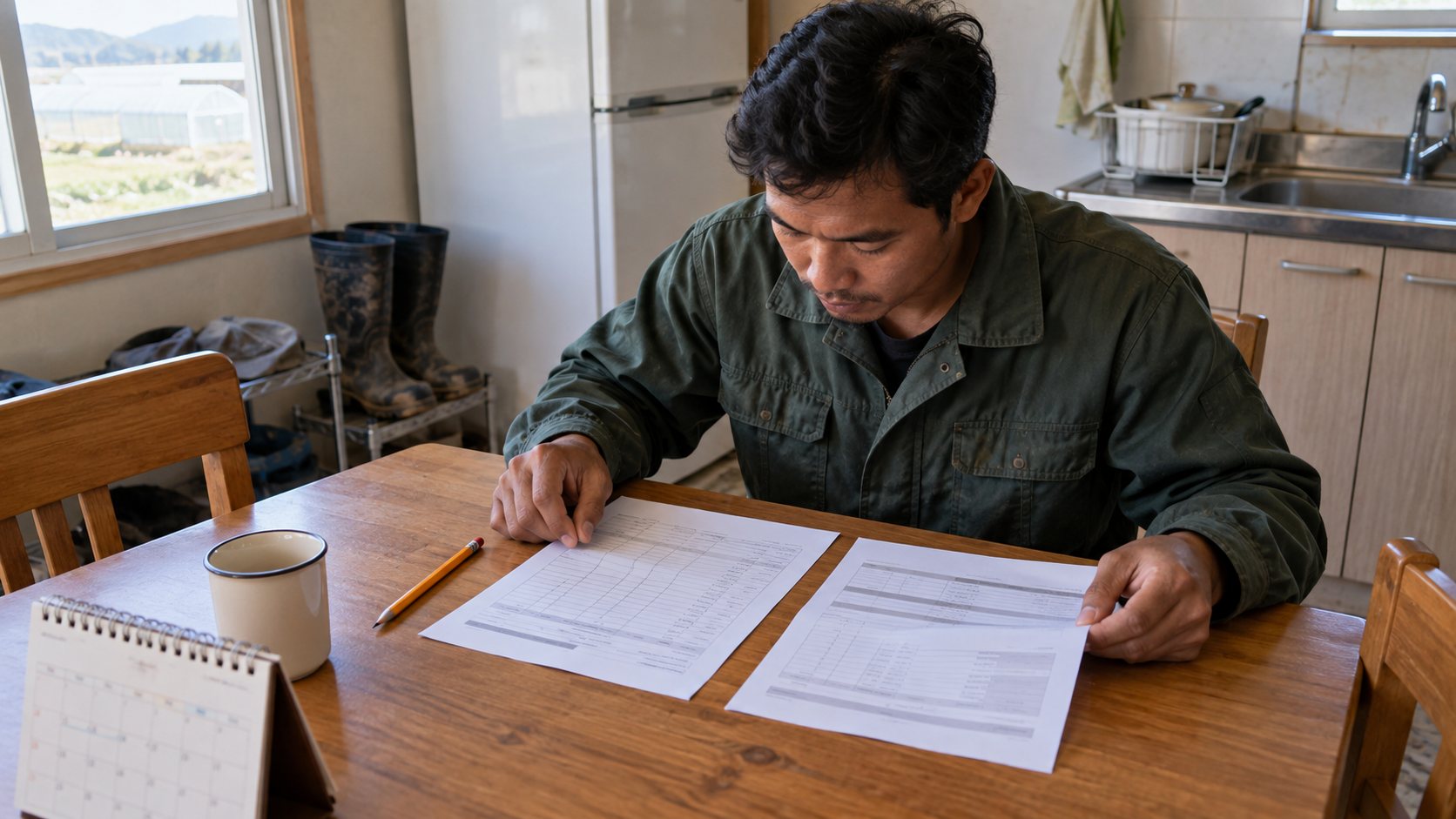
3. Check that one deposit rather than the balance in your bank account.
Your current balance in your banking app may already be different due to living expenses or transfers. Find the date, amount, and depositor of the deposit received as salary in the transaction history and compare it with the wage statement. The amount received in Kip after sending money to Laos is reflected in exchange rates and fees, so it is not directly compared to the salary received in Korean Won.
If you received the amount in multiple installments, first check which period each deposit is for and then add them up. Even if salary and separate expense settlement are received together, or if part of the payment was previously received, the amount must be distinguished. If your employer explains that they will pay you the remainder of your salary at a later date, write down in a notebook how much you have not yet received and the promised payment date.
4. Find out where the differences are with calculation examples
The amounts below are hypothetical examples to illustrate how they compare. It does not refer to prevailing wages or allowable deductions.
- Total amount paid before deductions as stated on the wage statement: KRW 2,400,000
- Total deduction amount stated on wage statement: KRW 150,000
- Payment amount after calculating the two amounts: KRW 2,250,000
- Salary deposit amount confirmed by the bank: KRW 2,200,000
- Difference that needs to be confirmed: KRW 50,000
In this case, first check which item caused the difference of 50,000 won. You need to compare the data to see if there are separate payments or settlements, simple input errors, or actual non-payments. Even if the deposit amount is correct, the number of working days or deduction calculation itself may be incorrect, so do not complete all tests by matching the deposit amount.
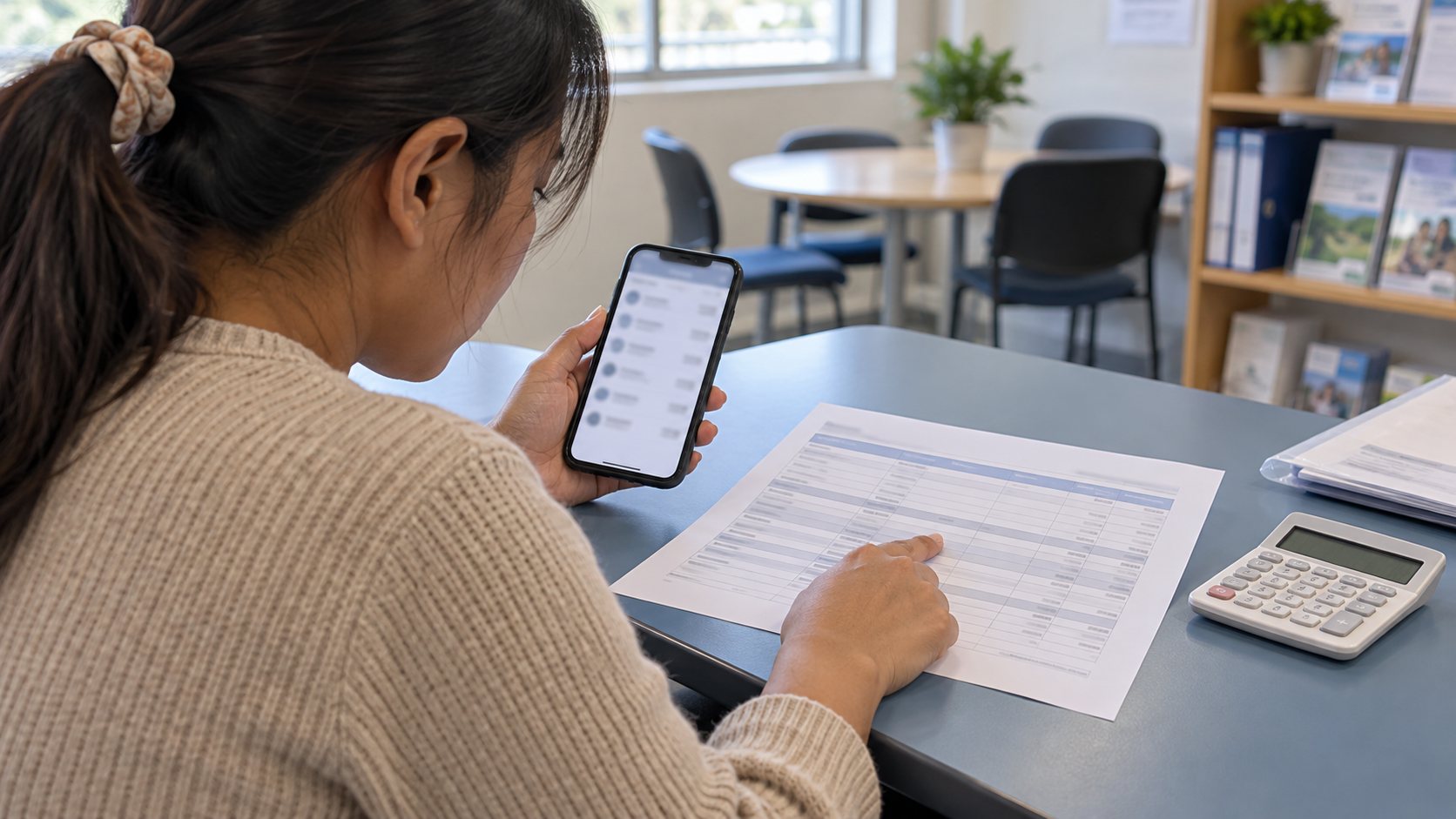
5. Please check the name, amount, and basis for deductions together.
The deduction is the amount deducted by the employer from the total amount paid. The amount the worker actually receives is the total amount paid minus the deduction. If you see the name tax or insurance premium, check what applies, the calculated period and amount, and related data. Even foreign workers may have different insurance coverage and calculation standards for salary deductions for each individual. Check with the person in charge or the relevant organization how they calculated the amount to be deducted from your salary for taxes and insurance premiums.
If there are accommodation expenses, food expenses, etc., check what is written in the contract and separate instructions and whether the actual period of use and cost are correct. Just because a contract is worded or signed does not mean that all deductions are allowable. If an employer deducts referral fees, management fees, fines, etc. from an employee's salary without explanation, request in writing the details of the costs and the basis for the deduction. If you have difficulty understanding the evidence, seek public consultation.
Don't assume it's illegal just because there's a deduction. You should also check the basis for calculations and deductions on the wage statement prepared by your employer. During your consultation, please provide the actual name of the deduction item, amount, application period, contract text, and any explanation you received.
6. For agriculture and livestock industries, do not judge allowances based on one formula.
Article 63 of the Labor Standards Act establishes exceptions to the application of working hours, break times during work, and holiday regulations for businesses stipulated by law, such as agriculture, forestry, and livestock farming.[3] The conditions to be checked may vary depending on the actual work done, the nature of the business, the size of the business, and the contents of the contract. Don't apply the same overtime and holiday pay calculations as your colleagues in other industries, or assume that because you work on a farm, you don't have all benefits and wage protections.
If you don't understand the allowance, prepare work details, time slots, work records, and contracts to confirm the standards that apply to you. This article is a guide to checking wage statements and deposit amounts and does not determine whether individual workplaces are obligated to pay allowances or are in arrears.
7. When the amount is different or you have not received a wage statement
- Identify the payment in question. Write down the period of salary, the promised payment date, and the actual date and amount received.
- If you do not have a wage statement, request one. It is difficult to calculate basic salary, allowances, and deductions based on deposit details alone.
- Mark any items where there are differences and ask the person in charge for clarification. Record the date you asked the question, the answer you received, whether there was a correction, and any promises of additional payment in a notepad.
- If you have difficulty understanding the Korean explanation, check with the help of a seasonal labor business manager or a trustworthy interpreter. For documents you don't know, listen to explanations before signing.
- If the issue is not resolved or wages have not been received, use the Ministry of Employment and Labor's counseling and complaint channels. Be prepared to communicate with your business location, employer information, contracts, work records, pay stubs, and deposit information.
The Ministry of Employment and Labor's customer service center dials 1350 (no area code) and it is a paid call. Please check the official information for consultation hours and how to file a complaint. [4] If you need an interpreter, check what language assistance is available and how to get help before calling. There's no need to keep putting off a formal consultation just because you haven't finished the conversation with your colleague.
8. Keep monthly salary verification data
If you create a folder on your phone for each pay month and keep all pay stubs, corresponding deposit details, work records, and questions and answers together, it will be easy to compare the same items next month. If you save only part of the wage stub, payment dates or totals may be omitted, so save the entire data and any enlarged screens you need.
Even when showing materials needed for interpretation or consultation, do not pass on your bank password or authentication number. We do not post wage stubs containing account numbers, passport numbers, or addresses on public bulletin boards. If you received your salary in cash, check the date and amount you actually received, and do not sign a false statement on the confirmation that you received money you did not receive.
Related information and official confirmation path
Previous steps: Step 5 of preparing for seasonal work — Safety check before first day of work.
[1] Ministry of Employment and Labor - Wage statement information
[2] Ministry of Employment and Labor - Information on issuance of wage statements
[3] National Legislation Information Center — Labor Standards Act Article 63
[4] Ministry of Employment and Labor – Consultation information when you do not receive a wage statement
Official data confirmation date: 2026-10-27. For individual deductions and allowances, you must check the actual contract, work details, and applicable laws. The main image is not a photo of a specific worker's wage statement or actual salary payment record, but is an image for AI explanation purposes.